

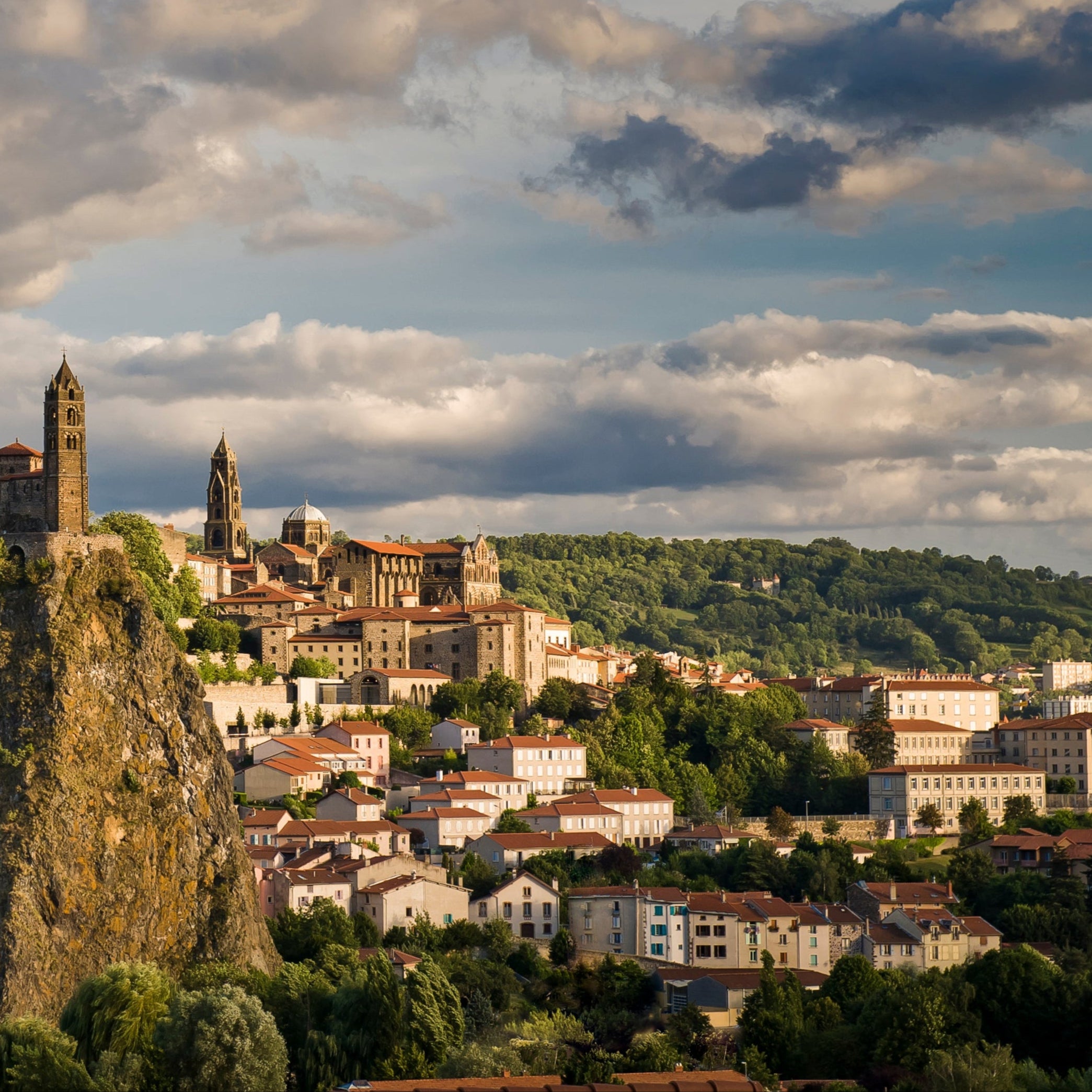
Follow our adventurous Kiwis as they journey through China and Tibet’s ancient cities, sacred landscapes, and high‑altitude mountain villages, soaking up breathtaking scenery, rich culture, and unforgettable moments along the way.
Map:

Day 1: Auckland to Beijing - Thu 16 April | China here we come
And we're off! Next stop Kashgar...

Day 2: Beijing to Kashgar - Fri 17 April | Kashgar
We live in astounding times when you can leave NZ on Thursday evening and arrive in Beijing Friday morning and then reach Kashgar (in the far north-west of China) by Friday afternoon (local time). David Bowie had it right when he sang about floating in a tin car far above… except it's not space we were moving through, just flying across vast distances.
Our intrepid group arrived in Beijing in the early morning, and we made our way from the international side of Terminal 3 to its domestic side. This transfer involved walking, escalators, immigration, lifts, internal train, two sets of security and a final rush to the gate. We flew six hours across China, over the endless desert and vast areas of barren ground.
Arriving into Kashgar all was going well until we discovered that our luggage had not been loaded on to the once-a-day flight and we needed to wait until tomorrow. Being the well-regulated kiwis we are, no one lost the plot and hoped our luggage would turn up tomorrow.
To meet us at the airport was our Tour Manager, Golibjon Zaripov and our local guide Askar. Golib is going to be with us for the whole journey and Askar for our time in Kashgar. The hotel was a welcome sight, and we all had a chance to shower and rest before going to dinner at a local restaurant. On the way we stopped to get local money and came across a lengthy delay as the bank processed its last customers for the day. However, all was well and we were all in funds with the Bank of Mandy officially open. (A NZ dollar is worth approx. 4 Yuan).

Askar had arranged for us to have a wonderful dinner at a Uyghur restaurant with its rather eclectic décor. He even organised a local group to come to sing and dance for us. What a magical start to our journey!

Day 3: Kashgar - Sat 18 April | Old & New
The whole of China runs on Beijing time so whilst it may be 8am in Beijing it's really only 6am in Kashgar and the sun is only just coming up. We started the day in a leisurely way with a relaxed breakfast and going out for sightseeing at 10am. Some of the group joined me on a walk down to the river to look at the efforts to de-silt the river; major earth works.
What a wonderful morning as Askar took us walking in the old streets of Kashgar. These streets have been built upon the old areas of the caravan markets; hence cotton street, hat street etc. Today the pedestrian area is lined with colonial houses built with shops on the ground floor and living above. The mud bricks or compacted mud walls were beautified with pot plants and trailing vines. Kashgar’s literal meaning is ‘place of mud’. What was unusual was we were the only tourists/people about; we could walk where we wanted without being bumped or stopped by tik-tok fanatics. Along the plants were artistic displays of collections of ancient stuff: a wall of tin trays, another of abacuses, pottery and so on. Late morning we stopped for tea at the oldest tea house and drank the highly perfumed rose tea and mint tea. Very refreshing.


Moving on we arrived at the Id Kah Mosque, a yellow mosque on the edge of the old streets. Originally built in 1442, it is still used today for festivals and holy days. Askar, who is Uyghur himself, had lots of interesting insights into this ethnic group who live within the majority of Han people. Although Uyghur are Muslim, they are a very secular and tolerant people. Askar is extremely pleasant and hospitable, wanting us to enjoy our time here.

Lunch was at another local restaurant where we were first served hot water (a local custom) and then plate after plate of local delicious noodles and meat dishes. The food is spicy with pieces of whole chopped chilli mixed in.
After lunch our last stop of the day was Abakh Khoja tomb or as it is renamed Xiang Fei Park. This complex personified Kashgar in that something ancient (15th century) had been redesigned with modern features of a modern-day theme park. Before you could reach the mausoleum, there were gardens with entertainment, statues, small gazebos, swings and gift stalls.


We went back to the hotel to be reunited with our luggage (hurrah) and have a rest in the heat of the day before a casual dinner in the hotel, which included a drink from the bar and a simple dish from the restaurant.
Day 4: Kashgar - Sun 19 April | Show me the Sheep
We started at 10am, as the sun rises later in this part of China. It was raining — the first rain in a month — and definitely better than a sandstorm. Mixed in with the raindrops was fine sand, so by the end of the day our clothes, glasses and umbrellas were dotted with tiny spots of mud.
Our first change to the programme was a detour to watch the daily opening ceremony of the old city of Kashgar. The massive entrance features a wide ramp leading up to huge doors and high ramparts. To music and a Chinese voice‑over, dancers, camels, horses and performers came down the ramp in colourful costume. The Chinese stage these performances incredibly well, and the visual impact was impressive.

Back on the bus, we headed to the outskirts of the city along tree‑lined roads. Red lanterns hung from the branches, and the streetlights were shaped into motifs of good fortune and luck — avenues of red dragons and double‑happiness knots, all very pleasing to the eye.
The animal market was devoid of animals; once a bustling place of camels, fat‑tailed sheep, horses and cattle, today the only creatures present had already been butchered for food. Even so, it was fascinating to see the local produce for sale: honey, pomegranate juice, noodles, and every part of an animal from head to intestines. The farmers among us had a lively discussion with the guides, comparing the Kiwi way of selling cattle with the local method. Here, someone will squeeze and lift the animal to judge its weight and health. You bargain on the price — sometimes you end up with more than expected, sometimes less.


Back in town, we made an unscheduled stop at the Yusaup Has Hajip Mausoleum. We had heard of this man over the Tien Shan Mountains at Burana Tower, where he was born. He is famous for writing the world’s first book on how to live a good and moral life. The complex is beautifully decorated in blue and white tiles, and excerpts from his writings line the walls of his tomb — one for the reading list.


Lunch followed, and with Betty appointed as our food critic, she chose the dish of the day: sweet potato.
After a rest, we headed to the night market. The rain kept most people away, but it was still interesting to wander the streets. We ended the evening in a restaurant with pots of rose tea and a fresh, hot meal. Lunch had been so filling that most of us just wanted something light — dumplings or samosas.

Day 5: Kashgar to Turpan - Mon 20 April | Surprises
In the archaeological area there were few intact buildings, and you needed plenty of imagination to picture where things once stood. This part of the old town sits close to the river, and across the water is modern Kashgar; tall, blocky buildings stretching to the horizon.

Nearby was a tall observation tower, and Asvar walked us the 800 metres so we could see everyday life unfolding in the streets below. At the tower it was a fast ride to the 25th floor and a full 360° view of the city. From up there we could better appreciate how large the old town is, enclosed by walls and packed with shops and houses.
Walking back to the main gate, we entered a pedestrian area lined with every type of shop. Once again, it was quiet for a Chinese town, and the vendors didn’t call out or seem particularly bothered about selling us anything. Lunch was near another gate, and it was a relief to sit in the air‑conditioning and enjoy another great meal.
After lunch we had free time until meeting again to travel to the train station. I don’t think we boosted the local economy much, apart from buying coffee. Plenty of domestic tourists were doing their bit to spend, spend, spend.

The train station was noisy and challenging, as security staff were very strict about liquids being in containers of 150 ml or less, no aerosols, and of course no knives. Most of us managed to get through with our belongings, but the checks took time and the language barrier didn’t help.
Eventually we boarded the train and found our three cabins (four berths in each). The train pulled out quietly, and within minutes we were in the desert—arid, stony, lifeless, and barren.

 To restore ourselves we had a small party in one of the cabins with wine (from NZ), cheese and crackers, mandarins, salami, and other treats. It all became quite jolly and festive. Night falls late here, so most of us were on our bunks and ready for sleep around 9 pm.
Day 6: Turpan - Tue 21 April | Turpan | Hospitality Plus
I think it’s fair to say we were all tired when the train rolled into Turpan at 8.12am. The train runs on concrete sleepers and is electrified, so it wasn’t click‑clack all night long, but for most of us the berths were narrow and hard. Still, we were travelling in luxury compared to the poor souls who stood for the 14‑hour journey or had only tiny corridor seats to perch on.
Waiting for us in Turpan was Nisagul, our local guide. First stop was the hotel for breakfast and joy of joys, early access to our rooms. After a short break, we headed out to explore Turpan. Known as the hottest place in China, we’d been warned temperatures could reach 29°C.
Turpan was once a key stop on the Old Silk Road, and way back then there was a town called Jiaohe, built on top of an island where the river split into two and rejoined. The island offered natural protection, with high cliffs on all sides. Nearby were Buddha caves with fragments of the paintings that once covered the walls. Very little remains after hundreds of years, deliberate damage, and artworks being removed and taken overseas.
Jiaohe itself was extensive, and Nisagul introduced us to the underground houses and the way of life when caravans arrived with their precious cargo. Little remains of the houses, administrative buildings, and temples, but up there you could still sense the whispers of a bustling town and its many inhabitants.


 Back in town we enjoyed lunch—another delicious array of local dishes. Yummy!
After lunch we visited the Karez Water System, or at least one small, preserved section of the once‑vast network of underground channels that brought glacier water into the Turpan Basin. The water travelled through hand‑dug tunnels running in parallel lines beneath the desert until reaching points where it could be used for homes and grapevines. Some Karez are still in use today. The part we visited, Yengi Karez, was financed by one man around 1700 AD. It stretched 3,000 km with 110 vertical shafts and carried 48 litres per second. At the point where the water reached ground level, we saw it flowing fresh and sparkling at an impressive rate. Only recently have pipes and taps been added to some channels.


 Then it was back to the hotel for a rest during the heat of the day.
At 5pm we set off again to visit the Emin Minaret and enjoy dinner with a local Uygur family. The Emin Minaret is a brick tower built by a wealthy prince so his family would be remembered after their deaths. The tower is simple but beautiful, using brick patterns for decoration rather than paint or ornamentation. It sits among grapevines and has a peaceful, sleepy feel. Badly damaged by earthquakes in the 2000s, we couldn’t climb it, but we did visit the mosque beside it, a cool, shady interior with no windows, just a skylight for light and ventilation.
Day 7: Turpan - Wed 22 April | 1,000 Buddhas
All of us were much more refreshed and ready for a day of exploring, so we headed out of town towards the Flaming Mountains. These mountains absorb the heat from the sun, and as the day goes on the reds, blacks, and ochres become more vibrant.
On our itinerary today was Tuyugou Village. There are two villages—the old and the new Tuyugou—and of course we were off to see the old one. Not many families live there anymore, so it has become an open‑air museum with its buildings, mosque, and mini‑Mecca. A small creek runs through the village, once used as the main water supply, and the homes and other buildings rise in terraces up the hillside. Once again, everything is made from mud or mud bricks. High in the village is a small green dome marking the mini‑Mecca, still used as a pilgrimage site.

 We had a change in programme as the Astana Tombs were closed, so instead we visited the ancient ruins of Qocho City. It’s incredibly hard to describe the scale of these ancient cities—they are vast. We used an electric golf cart to enter from the east gate, and it took ages to reach the north gate and the few remaining structures still standing. After the city collapsed, the area was used for farming, so many buildings have disappeared or eroded. The place was hot, dry, and empty. Qocho is best known for the Buddhist monk Xuanzang, who stayed here on his journey to and from India. He is credited with bringing Buddhism to China and translating Sanskrit texts into Mandarin. We’ll come across him again in Xi’an.


Lunch was most welcome and a chance to rest before heading back into the sun.
Sadly, the 1,000 Buddha Caves have been severely damaged by souvenir hunters, vandals, and invaders. The best images are now in other countries, and many of the remaining ones have scratched‑out eyes or faces, or mud thrown across them. In some places it was still possible to glimpse colourful, dynamic paintings—but you needed a good imagination. No photos were allowed.


On our way out, we stopped to photograph the Flaming Mountains, where the different layers of sedimentary rock stain the cliffs in striking colours. Near the ticket office was a very sad collection of moulting camels.


Time to head back to the hotel for a rest and a break before dinner.
Day 8: Turpan to Liuyuan to Dunhuang - Thu 23 April | Travelling Day
Today turned out to be a travel‑only day. First, we caught the high‑speed train from Turpan, which travels at over 200 km/h but must stay on a constant elevation. The track skirts around the desert where the ground is more stable, passing wind farms and endless expanses of nothing.
On the journey we had a snack lunch of treats Mandy and Golib brought; cheese, sausage, crackers, biscuits, chips, and popcorn, a light lunch to keep our stomachs settled.
At Liuyuan we were met by a smiling Lilly, our local guide. Liuyuan is a mining town in the middle of nowhere.
Our small bus grew hotter and hotter on the two‑hour drive to Dunhuang (an oasis in the desert), and we decided to head straight to the hotel and end the day, pushing all the missed activities into tomorrow.
Dinner was a feast on the hotel rooftop. Served European‑style for a change, we enjoyed sparkling wine, salad, meat with potatoes, pizza, and dessert — all with the backdrop of the sand dunes.
Just a quick note about our hotel: it’s built in Han style and backs onto the dunes. The rooms are traditional in design with modern conveniences — very comfortable!

Day 9: Dunhuang - Fri 24 April | Great Wall and Modern Power
We started earlier today at 8am so we could fit everything in and still have a rest later in the day. Heading out into the desert, we drove along dead‑straight roads that passed extensive energy farms, acres and acres of solar panels and photovoltaic towers. These towers concentrate sunlight through mirrors to boost power production.

At the end of the road we reached the Jade Gate and a section of the Great Wall. A more windswept corner of the world would be hard to find. The remaining lumps of wall are almost buried by sand, and behind them lie salt pans and a shallow river. Once, all caravans had to pass through this point, pay their taxes, and receive written permission to travel on (a kind of passport). At the Jade Gate, legend has it that camels arrived unhealthy and ill, and it was determined their owners had not paid due respect to the local spirits. The solution was to place a piece of jade on the tax collector’s administration office. Today the jade is gone, but the structure from 2,000 years ago remains — proving that death and taxes are constant.


Leaving this area, we travelled on to the Western Thousand Buddha Caves. The paintings here were in better condition than those in the previous caves we visited, and there were even some statues of Buddha in situ. Floods and sand have damaged some of the artwork, but we could still appreciate how colourful and artistic the caves once were.
A brief stop to photograph the power production, then back into town for lunch for our hungry group; another Chinese banquet.
After lunch we tested our riding skills with a trip around the desert on Bactrian camels. In my experience, they are much more comfortable to ride than dromedaries. Sitting on a camel’s back, plodding along, certainly made me appreciate how determined those caravans were — 40 km a day probably meant 10 hours of swaying through heat and sand. Wherever you stopped for the night was likely just as dry and dusty, so it would have been weeks between washes.
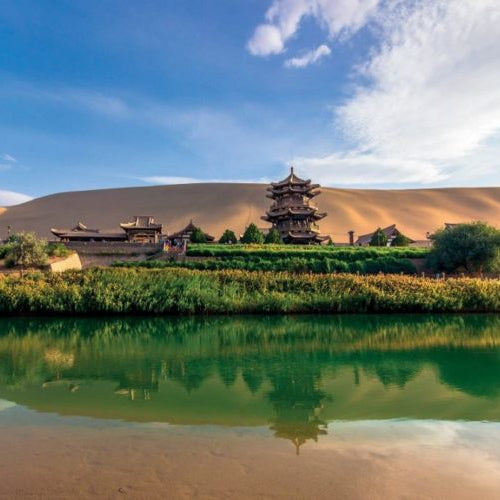
The end of our ride was the Crescent Moon Oasis, a perfectly formed shallow lake hidden between sand dunes and fed by an underground spring. Today it’s a lively tourist spot, with people sliding down the dunes and taking photos by the water.


That was it, back to the hotel for a chance to shower and rest before heading to the night market.

Day 10: Dunhuang to Xi'an - Sat 25 April | Travelling Day
The day started with a highlight visit to the Mogao Caves. This was our first encounter with the crowds of domestic tourists, and you have to hand it to the Chinese, they know how to process an astounding number of people quickly. After security and ticket checks (face recognition is commonly used alongside QR codes), at least five hundred people were fed through two theatres, each explaining a different aspect of the caves: how they came into being and some of the key highlights.
We were then systematically fed onto buses for the 15‑minute drive to the cave site. From the drop‑off point we walked to the main area and were allocated a local cave guide. Dozens of groups moved between the open caves in an intricate dance along narrow walkways attached to the cliff face. Astonishing! Inside the caves were the best‑preserved paintings we’ve seen so far, along with statues of Buddha, the Apsaras (female celestial beings), and guardians. Some of the images are overseas, but much remains.


After a thorough visit, we stopped at the bookshop, and many of us walked away with thick English‑language volumes full of beautiful photography.
Lunch was nearby, followed by a quick drive to the airport for our flight to Xian. China is huge, and this flight crossed snow‑capped mountains, vast empty spaces, and tightly packed terraced farms.
Arriving in Xian, we were met by Cathy, our local guide, a gentle young woman with deep knowledge of local customs, clothing, and daily life. It took an hour to reach our hotel in the heat of the old city. Most of us had dinner in the excellent hotel restaurant and were ready for bed.
Day 11: Xi'an - Sun 26 April | Terracotta Warriors
We were not only fortunate with the weather, we were also fortunate to be a fit and able group, as today involved a lot of walking. Heading out of the city centre, we travelled north‑east to the site of the First Emperor’s tomb.
Before reaching the Terracotta Complex, we tried our hands at making miniature warriors. Pressing dark clay into stone moulds, we produced a small platoon. Attached to the factory was the inevitable shop, where you can buy warriors in any size, or even have your own head copied and placed on a warrior’s body.

 Off the actual mausoleum site, on the eastern side, are the pits containing the warriors. Once again, security and entry are set well back from the site so hundreds of people can be processed efficiently. In our case, we used electric carts to travel from the parking area to the site entrance. Pit 1 was packed with warriors and domestic tourists. We’ve learned not to be too polite, elbows out if you want to see anything.
The warriors stand rank and file in their silent columns while overhead the modern world jostles for a view and perhaps a quiet moment to reflect on the 2,000 years between their creation and today. It takes about two years to restore a single warrior, and thousands more still lie under the clay. Toward the end of Pit 1 is the “warrior hospital,” where many figures are being pieced back together. Each exposed warrior has a white plastic box beside it, filled with even more fragments waiting to be reattached.


We walked through Pits 2 and 3, but the sheer volume of people was overwhelming. Heading off to lunch, we walked in the hot sun past stalls and restaurants. Individual sellers approached us with cheap versions of the warriors, being canny Kiwis, not a single one of us fell for it.
Lunch was excellent, and Mandy had a surprise: a tea ceremony downstairs, offering a quieter moment before more history. The favourite tea by far was the lychee oolong; fresh, sweet, and fruity. I think everyone left the tea shop with tea and/or magic cups (cups that change colour when boiling water is poured in).

Our next site was closer to the Emperor’s actual burial mound (a small hill). His tomb has not been opened, as it’s known to contain a river of mercury and other hazards designed to protect him. However, we were able to visit the acrobats’ pit, discovered after the warriors, and the bronze chariots. The chariot museum is very modern, with fantastic displays of the equipment used for the horses’ bridles and the chariots themselves — even down to spare parts. Highly recommended.


In need of a rest, we headed back to Xian for the Camel Bell Show, scheduled for 5pm. The show was part music, part circus, part extravaganza. Instead of the scenery changing, the audience area rotated slowly… one moment a quiet village scene, the next camels plodding across deserts, then a snowstorm with dogs racing among us — and let’s not forget the waterfall that appeared and soaked the front rows.

Dinner and bed.
Day 12: Xi'an - Mon 27 April | Music in the Park
We started a little earlier this morning as we wanted to be in time for the morning market and the morning exercises. The market offered fresh fruit and vegetables plus some meat. Small stalls lined the inner road by the old city walls, and as we walked along, a steady stream of people flowed past with their trundle bags. With no children around and mostly seniors shopping, the market was a lively place. The sellers were told to pack up at 9am, and by the time we had walked one way, bought some ugly fruit, and returned to the city gate, the place was clearing out and the ground was being swept.


On the other side of the wall, people were dancing and exercising in groups. We passed line dancing (Chinese‑style), Tai Chi, Jazzercise, simple exercise routines, and many more. The groups spread along the green area under the walls, and everyone seemed relaxed and pleased to see us, especially when we joined in.
Coming back into the old city, the market street was completely cleared and had returned to a normal road. A short walk brought us to a calligraphy class. Jan was the best artist among us and earned a special prize.
Back on the bus, we continued to a gate where we could climb up onto the city walls. The walk from the bus to the wall took longer than expected, and with rising humidity we were all getting hot and tired. Walking on top of the wall revived most of us, but I think we were all glad to return to the hotel for a break.

During the break, Mandy, Golib, and Cathy went in search of Thermos flasks so we can sip hot water in Tibet (a natural remedy for altitude sickness). Success!
Setting out again at 3.30pm, we had two must‑see sights in Xian: the Wild Goose Pagoda, where Buddhism was first introduced into China, and the Grand Mosque.

At the Wild Goose Pagoda, the number of women wearing traditional dress was remarkable. The costumes were colourful, worn with elaborate wigs and very dramatic makeup, definitely a fashion trend. Also at the site were many Buddhist monks, either chanting in the main hall or processing around the pagoda. This outward display of religion is also a modern trend.

 Moving on, we returned to the centre of the old city, the Bell Tower and the Muslim Quarter. Here the streets form a labyrinth of small shops selling everything from fresh “antiquities” to fans to clothing. We walked into the heart of the area, passing the Drum Tower on the way. The Bell and Drum towers were used in ancient times to announce the time of day.


The Grand Mosque was a surprise, as its appearance was very similar to a Buddhist temple: courtyard after courtyard, side buildings, and the most important hall at the end. Built 1,600 years ago by merchants on the Silk Road, it reflects a fascinating blend of cultures.

Returning to the Bell Tower area, we enjoyed our Dumpling Feast; twelve different types of dumplings appeared on the table, each shaped to represent the ingredients inside. We certainly tried our best to finish them all, but the dumplings defeated us.


Day 13: Xi'an to Lhasa - Tue 28 April | Shangri-la
Off to Tibet today, and for many of us it was the fulfilment of a long‑held dream. Just getting through Xi’an security was challenging, however we all made it through and soon we were up and away.
Flying over the snow‑capped mountains, it was clear we were venturing into a truly remote region. On arrival in Lhasa everything was very straightforward — we grabbed our luggage and walked straight out into the sunshine. Our local guide, Sonam, was waiting for us along with a brand‑new bus. Directly opposite the airport stood a large, imposing building with the Chinese Government crest, surrounded by high‑rises — not quite the Tibetan postcard image. The highway into Lhasa was modern, raised above the fields, and used tunnels rather than winding over the hillsides.

As we reached Lhasa, the modern look and high‑rises continued. But high on its hill stood the Potala Palace — exactly as it appears in the photos.

 Our hotel was decorated in Tibetan style, with butter lamps and murals inspired by Buddhist temples. The more adventurous among us headed out that evening to a local restaurant and found ourselves in a modern mall — every sports brand you can think of was there. Sonam chose the restaurant for its cleanliness, and most of us enjoyed the yak meat, fish, and chicken dishes.
Then it was back to the hotel for some well‑earned sleep.
Day 14: Lhasa - Wed 29 April | Monks and Pilgrims
Being foreigners, we were directed into a separate line, and to our left the lines of Tibetans wove in and out of the numerous chapels on their way to the main event, Jobo Buddha. The temple dates back to the 7th century, and it’s no surprise that the other chapels and shops have grown and expanded over the centuries. Cups of pure water, bowls of fruit, boxes of cash donations, chanting monks, incense filling the small rooms — a world apart. To be honest, it was all overwhelming, and we were relieved to climb up to the rooftop for some fresh air and space.


There was free time in the area around the temple, followed by a spot of Tibetan sweet or salty tea.
On the way to lunch, we made a detour to the hotel to drop off one passenger and pick up two more. Lunch was another tasty treat before we headed off to Sera Monastery. (A monastery is where monks live, different from a temple which is solely for devotion.) At Sera, there is an age‑old tradition of monk debate, where a sitting monk is asked a question by a standing monk, and depending on the answer, the standing monk will slap one hand onto the other — palm up or palm down.
Time for a break back at the hotel before dinner.
Tonight’s dinner was Tibetan, so it included a hot pot that bubbled over like a volcano and lots of yak dishes. After dinner we had Tibetan music and a very funny yak dance.


Day 15: Lhasa - Thu 30 April | A Special Place
There are a few places on the planet that have a special vibe: Stonehenge, Machu Picchu, Tiger’s Nest and the Potala Palace. High on its rocky outcrop, the massive building dominates the city — white walls, a central red structure, and more white administrative buildings flanking it.

We started the day with a wander through Dzongyab Lukhang Park, which nestles at the foot of the Potala Palace. This leafy space was full of seniors practising Tibetan circle dancing (Gorshey), exercising, or line dancing. In Xi’an most of the participants had been women; here, men dominated the groups. Many people wore traditional dress — women in long dark skirts overlaid with striped aprons (a symbol of marriage), their hair in braids interwoven with colourful wool and silver/turquoise adornments. The men wore long jackets folded across the body and tied with a fabric belt, one sleeve left loose. Hats were everywhere, in every style imaginable.


We had a precise entry time for the palace grounds, and the guards made us wait until the exact minute. Once past security we began the slow climb up the zig‑zag path. Mandy had distributed sweets and chocolate, which helped with the energy needed for the ascent. Along the way we made frequent stops to take photos or rest on the seats and steps. Once again there were huge numbers of domestic tourists heading in the same direction.
The Potala was built in the 7th century as the winter residence of the Dalai Lama, and the central red structure remains the spiritual heart of Tibetan Buddhism. Small rooms lead into more small rooms, filled with gold and bejewelled Buddhas, mandalas, and intricate decorations. To the right of the red centre are the white administrative and domestic rooms of the Dalai Lama; to the left are more administrative areas, now out of bounds. Courtyards link the buildings, and steep wooden ladders climb up through the 13 floors.


So what was it like inside the Potala Palace? Overwhelming. The labyrinth of rooms, long corridors, multiple steps and steep staircases were disorienting. The highly decorated spaces offered glimpses into another time and belief system, but due to the crowds it was impossible to pause and reflect.
Outside again, we found ourselves on the opposite side of our ascent path, overlooking the park — fresh air and space for a slow descent.
Lunch was at a Tibetan House restaurant, and seated on its rooftop we could look across the older part of the city. Delicious food once again: yak meat, soup, and vegetables.

After lunch we visited Norbulingka, or the Jeweled Garden, the summer residence of the Dalai Lama. The green spaces were a welcome change, and there were very few people around. Scattered across the “garden” were the usual collection of temples, reception halls, and private living quarters. Today the grounds are used for Tibetan opera and picnics.


Day 16: Lhasa to Gyantse - Fri 1 May | Tibetan Plateau
Today’s journey began on the new raised highway, which quickly moved us out of Lhasa and into the countryside. Here the high‑rises disappeared and traditional whitewashed brick houses appeared. The road was flanked by ploughed fields and poplars. It followed a river valley before beginning its ascent to the pass. Many of our South Islanders likened the terrain to Otago — snow‑capped mountains in the distance, rounded hills with no trees or scrub, and sharp granite outcrops. However, instead of sheep there were yaks, and the road was only two lanes wide with some interesting traffic rules (hooting at corners to alert oncoming vehicles). Thank goodness we had a good driver as we swung around sharp bends with only square concrete blocks guarding the drop.
Our first stop was an outlook over the valley, where locals offered photos with Tibetan dogs, yaks, or baby yaks. The infants were very cute and looked like little dolls standing on the pillars along the pathway.


 Back on the bus, we continued to the Yamdrok Lake lookout. The car park was teeming with locals and buses, all accompanied by the soundtrack of Tibetan opera — a total shock to the senses. At 5,030m above sea level, the viewpoint offered a perfect panorama of Yamdrok Lake, one of the highest lakes in Tibet (4,441m).

Here we all wrote messages on our prayer flags and managed to climb higher to hang them among the many others. The flags remain until the weather eventually destroys the fabric; in the meantime, the messages and prayers are carried by the wind across the world.

Descending to the lake, we stopped to dip a hand in the cold, sacred water while avoiding the many sellers, yaks on display, and other tourists.
Lunch was in a traditional Tibetan home, and not only were they very welcoming, but their food was also delicious. The family invited us into their most precious room, where the household altar was adorned with water, fruit, candy, and incense.


Next stop was the Karola Glacier (5,039m), and I think it’s fair to say we were moving very slowly. Sadly, the glacier is retreating rapidly, and the raw mountainside was barely crowned with the once‑dense white‑green ice.


At the end of the lake is a hydroelectric dam, and our final stop was to view this modern project and offer paper prayers to the wind. It had been a wonderful day travelling through raw, dramatic scenery, and all of us managed the high altitude well.
Gyantse for the night. Once the third‑largest city in Tibet, it is now a quiet provincial town dominated by its abandoned Dzong. More tomorrow.
Day 17: Gyantse to Shigatse - Sat 2 May | Snow
Snow! This morning we woke to falling snow — even the locals were surprised, as it’s spring here and the snows are officially over. After breakfast the snow turned to rain, and we had to reconsider our plans. Dominating Gyantse is a Dzong that was besieged by the British in 1904 and was on our itinerary. After discussing it with Sonam, we decided it would be too slippery and wet, so we went shopping instead. The local shops in the town centre are for Tibetans rather than tourists, so we had a happy 30 minutes poking our noses into the open stores and buying a few things at non‑tourist prices: aprons, mandarins and so on.

 Back on the road, we stopped for photos of the Dzong and the distant monastery. It was 2.5 hours to Shigatse, which flew by with views of the astounding scenery and Mandy’s audiobook.

Arriving into Shingatse we stopped at Tahihunpo Monstastry a place full of maroon covered monks with their crazy boots. Founded in 1477 by the first Dalai Lama and continued by the Panchen Lama, the place was a marvel. Steps and cobblestones connect halls, courtyards, ancient trees and chapels ascending up a slope to the most important buildings. Impressive was future Buddha, all 80 feet of him. Sadly, we couldn’t take photos but the huge buddha was centre in a tight building where the offerings, limited light and distance hum of monks all made for an atmosphere. 
 Here are also the tombs of several Panchen Lamas, the most notably tomb was the latest one to die (1989) 10th Panchen Lama made with 547kg of gold.
Out into the fresh air and time for lunch at a local restaurant. Today was also a holiday so many families were about. Our last stop for the day was the old bazaar but nothing much was happening here due to the holiday.


Hotel and western meal tonight.
Day 18: Shigatse to Lhasa - Sun 3 May | Highways and Tunnels
It was 4.5 hours on the new highway (only three years old), which first ran along a glacier‑carved valley floor before passing through a series of tunnels to reach the Lhasa Valley. The longest tunnel was 15 km and was actually a sequence of curving tunnels punctuated by only a few brief seconds of daylight. Running beside the motorway was the train line — another engineering marvel.

Chusang Nunnery was on the list, so we crossed Lhasa city and climbed up the northern slopes via a narrow street. The nunnery was much smaller than the other religious sites we’ve visited, and the numerous nuns were dressed like monks in maroon robes. A special treat for us was being given permission to take photos. In the main hall, nuns chanted on cushions and nestled against the walls were Tibetans who had come to mourn the recently deceased. Founded in the 9th century, the nunnery overlooks the city and feels like an echo of earlier times when these places were isolated and difficult to reach. As we were leaving, a group of children came to play with us — a delight.


 Driving back down the slope, we met a concrete truck in the narrow street with no room to pass. The resulting traffic jam was something else: cars, motorbikes, a truck, a bus, and then a police car. The concrete truck eventually backed up several hundred metres until it found a space where it could squeeze past between a parked car and the winding street edged with houses. Our bus driver is amazing.

A late lunch at Lhasa Kitchen, then check‑in at the hotel. Some of us ventured out to the nearby shops — a strange mix of souvenirs at the front and groceries tucked further back. Dinner was independent tonight, and a few of us tried the local restaurant around the corner. Dinner was chosen by pointing at pictures, but everything was fine and nothing disastrous appeared on the table.
Beijing tomorrow.
Day 19: Lhasa to Beijing - Mon 4 May | Sea Level!
A fond farewell to Lhasa and a cheerful ni hao to Beijing. It was an easy one‑hour transit from the hotel to Lhasa Airport, with quick check‑in, smooth security and a four‑hour flight to Beijing. The whole group immediately felt better on arrival — fresher, breathing more easily and far less tired.
Beijing welcomed everyone with blue skies and roses lining the motorway. The drive to the hotel took about an hour along elevated roads, passing rows of multi‑storey apartments and plenty of greenery. Alan, our local guide, is a cheerful chap, and it quickly became clear he’s knowledgeable on a wide range of topics.
The hotel had the keys ready, and after a quick wash and tidy‑up, the group walked to nearby Wangfujing Street. This broad pedestrian avenue, lined with brand‑name shops, was buzzing with young people and families. At 700 years old, it has transformed from modest stores to modern malls — very much the place to see and be seen. Dinner was delicious, and most of the group wandered back slowly with Mandy, stopping for ice cream along the way. Everyone slept well.
Day 20: Beijing - Tue 5 May | Great Wall
Feeling oxygen‑happy, we headed out of the central city to the Jinshanling section of the Great Wall. We couldn’t believe our luck — the May holiday crowds had vanished, the traffic was light, and there were very few tourists at the site. Some of us took the cable car up, while the rest walked the ten minutes from the ticket office to the wall.
A cool breeze drifted across the watchtowers and down the valleys on either side. The views stretched for miles. This carefully restored section dates back to 1570 in the Ming Dynasty. We followed the wall like a ribbon along the ridgeline until the restoration ended and the original wall began. The steps were so irregular that in places we had to sit down to move from one stair to the next. And would you believe it — a souvenir seller had set himself up in the highest tower.


Once we’d all had our time on the wall, we met at the restaurant for lunch. Many of us had been followed by local farmer women selling souvenirs from their backpacks, so we were well primed for our Happy Un‑Birthday party that evening.
On the way back to Beijing, we passed through a security checkpoint where we had to get off the bus, walk through a police check and have our passports scanned. A major traffic jam had formed as twelve lanes from the toll booths merged into four — it’s a wonder there aren’t more accidents.
Before dinner, we gathered in Mandy’s room for snacks, a chat with Golib about Islam in the modern world, and a general natter. Dinner was a short walk away — and what a feast. We’ve had many fine meals on this trip, but this one was exceptional. Our Happy Un‑Birthday was great fun, and everyone ended up with a small reminder of our time on the wall.
Day 21: Beijing to NZ - Wed 6 May | A Perfect Final Day in Beijing
Our last day in China gifted us blue skies and wonderful weather. We began with a visit to the Temple of Heaven, an exquisite structure built for the emperor to pray for good harvests. Today it’s a lively public park, filled with seniors exercising, dancing, and socialising.

Alan, our local guide, had a cunning plan to avoid the crowds. After the bus dropped us near Tiananmen Square, we walked through a hutong (now a popular residential area) and past the Concert Hall. After several layers of security, we were delighted to find the square almost empty.


Walking north toward the Forbidden City, we quickly discovered where everyone really was — lining up for entry. Thankfully, we could take the group route and were soon inside. The scale is extraordinary: courtyard after courtyard, steps, grand halls, long corridors, and people everywhere. Many young visitors were dressed in historical cosplay, recreating characters from popular dramas.


Halfway through, we stopped at a coffee shop for a rest before continuing on to the women’s quarters, the gardens, and finally out the back gate.
Alan explained that tour buses are only allowed to park a mile away, so to save our tired feet he whisked us onto a local bus for a quick ride along the main street.
Then it was back to the hotel for last‑minute packing, washing shoes, and a bit of final shopping. We enjoyed dinner at a local restaurant before saying goodbye to Golib and heading to the airport.


Leave a comment
This site is protected by hCaptcha and the hCaptcha Privacy Policy and Terms of Service apply.